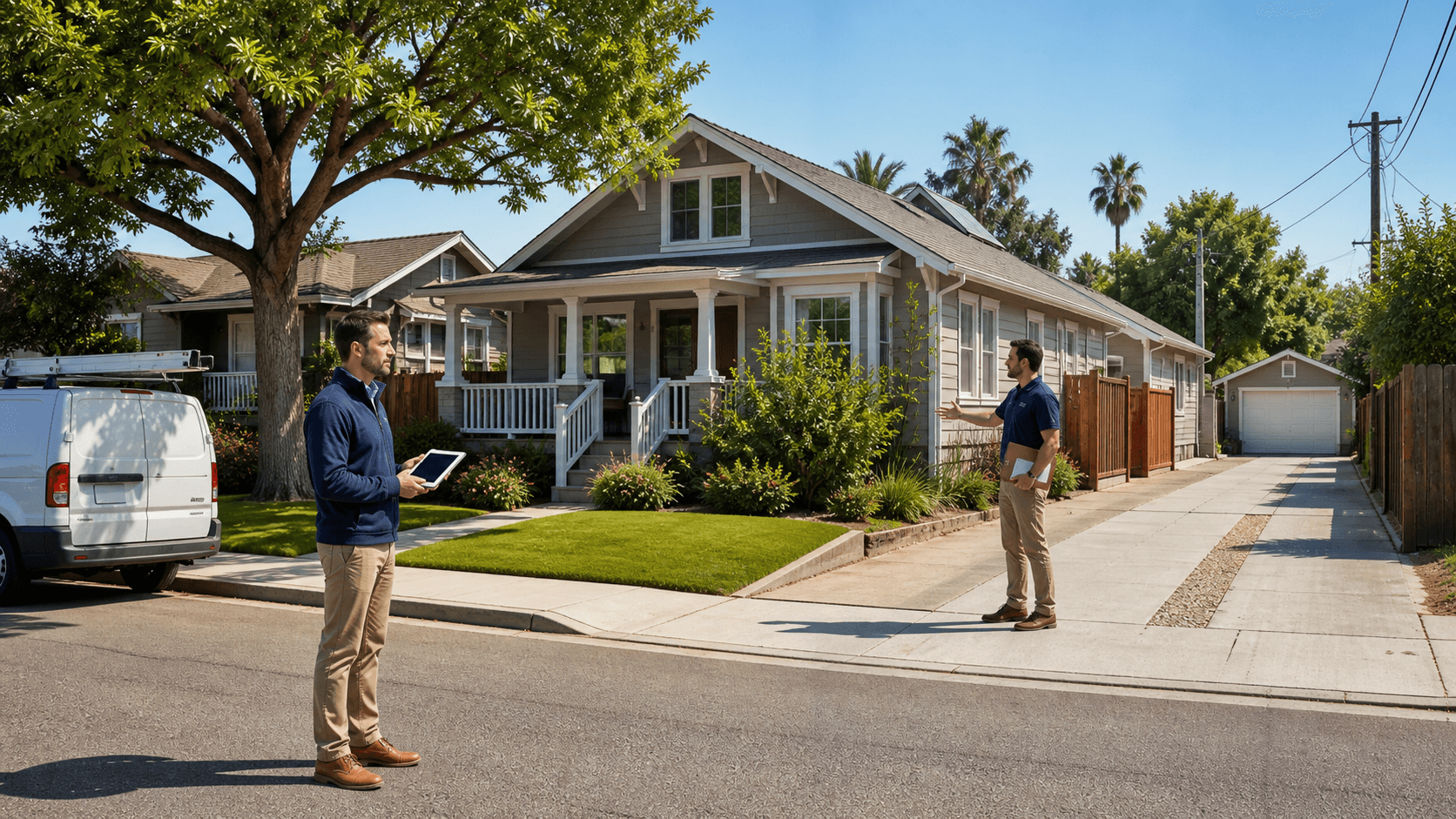

Why Quiet North Campus Blocks Renew so Differently
Lease renewal on the quiet streets north of UT Austin does not feel like renewal in West Campus. If you live on a calm block between Speedway and Duval, from about 38th up to 45th, your street probably has big trees, slower traffic, and fewer people moving in and out every year. That calm vibe affects how renewals work, who your landlord is, and how fast you have to make decisions.
On these low-traffic blocks, there are usually fewer vacancies, a smaller pool of owners, and more word-of-mouth deals that never hit public listings. That means if you want to stay put, you cannot wait around and hope something similar opens next door. In this guide, we will walk through four surprise zones that catch students off guard on quiet North Campus and Hyde Park streets: landlord types, early renewal windows, maintenance timing, and parking and permit rules that can make or break next year's living plan.
Mapping Quiet Streets in North Campus and Hyde Park
Not every "quiet" North Campus street feels the same. A few blocks can change your walk time, your rent, and how fast your landlord expects an answer.
North Campus near Law and Engineering, roughly 27th to 32nd between Speedway and Duval, is still very student-heavy but calmer than the big West Campus corridors. You see a lot of older duplexes and four-plexes, and you can usually walk to campus in about 8 to 15 minutes. South of 32nd, pressure to renew tends to show up earlier because those blocks are close enough that many students treat them like "West Campus without the noise."
Classic Hyde Park, roughly 38th to 45th between Speedway and Duval, has more single-family rentals and big tree-lined streets. There are more bikes and scooters than loud party balconies. Rents here often look higher as a whole-house number, but per bedroom, older 3 to 4 bedroom houses north of 38th can sometimes feel reasonable compared with updated group houses a little closer to campus.
Then there are the "in-between" streets like 32nd to 35th around Hemphill Park and Speedway. These blocks mix older houses, small complexes, and a steady student presence, but the late-night noise is usually lower than pure West Campus.
A few patterns to expect:
- Older 3 to 4 bedroom houses north of 38th may have lower per-bedroom rents, but more dated finishes
- Updated group houses close to Dean Keeton often cost more per room, but come with newer layouts
- Whole house prices can look scary until you split them across 5 to 8 roommates
- Streets with mostly long-term residents usually see fewer listings hit the open market
Micro-zones shape the renewal vibe. On some blocks, most rentals quietly renew each year and new groups never get a shot. On others, 1920s bungalows that have been carved into rentals turn over more often, so there is a bit more movement and a little less pressure to commit instantly.
Landlord Types on Quiet Blocks and How They Renew
On quieter North Campus and Hyde Park streets, who owns your house can matter as much as the address. We see three main owner styles show up again and again.
Legacy local owners have often held their houses for decades. They may know the neighbors by name and care about the block staying calm. With them, processes can feel a bit old-school. You might get a casual text or hallway chat in October asking if your group wants to stay, then a paper renewal packet to sign and drop off.
Small professional managers focus on student rentals in these areas and usually run things through online portals. Renewal notices are more formal, timelines are clearer, and expectations tend to be written out. The trade-off is that there is less room for fuzzy "we might renew, we are not sure yet" conversations.
Larger regional operators own clusters of houses and small complexes. Their policies are often standardized, with set dates for notices and firm deadlines. That can make planning easier, but there is usually less block-specific flexibility. The same street can have completely different renewal expectations at 2804, 2808, and 2810, just because each door has a different kind of owner.
Helpful clues to watch:
- How your move-in was handled: very casual or fully online and structured
- How your first repair request went: quick and digital or slow and handwritten notes
- Whether you got early "are you staying?" comments or no word at all by mid-semester
- How often you see the owner or manager physically on the property
Renewal Windows No One Warns You About
On quiet blocks, renewal timing can sneak up early, especially in North Campus houses south of 32nd near Dean Keeton and Speedway. In many cases, owners start renewal talks right after midterms for August move-ins. That can mean October or November chats for a lease that still feels new.
In classic Hyde Park north of 38th, the pace can feel slower. Some owners are comfortable waiting into winter before locking in their next group. But prime 5- to 8-bedroom houses on calm streets like Avenue F or Avenue G can quietly renew by late fall. New groups may never see a sign in the yard because the current tenants already claimed the next term.
Quiet blocks also raise the stakes. If you lose a spot at 30th and Harris or near 32nd and Hemphill, there are fewer backup options within a quick bike ride that match the same vibe. Your realistic choices can shrink to taller West Campus properties or spots farther away from campus than you wanted.
To stay ahead, we suggest:
- Mark down when you signed your lease and assume renewal talks might start about two or three months earlier on the calendar
- Add reminders near midterms and before long breaks, so renewal questions do not collide with exams or travel
- As a group, talk through who is studying abroad, graduating, or changing plans before your landlord asks
Maintenance Timing on Low-Traffic Streets
Maintenance on quiet North Campus and Hyde Park streets follows a different rhythm than on big student corridors. With fewer turnovers and more "known" tenants, some owners are slower to push big upgrades. Older Craftsman houses and duplexes may carry older windows, older AC setups, or aging appliances for longer.
Seasonal patterns around the UT schedule matter more than the weather. Late May through July is when many owners tackle exterior work on houses near 39th to 43rd, Harris, and Speedway. That might mean painting, roofing, or AC tune-ups while some tenants are out of town. Winter break is a common time for quick interior updates on 4- to 6-bedroom group houses between 27th and 31st near Dean Keeton.
Maintenance often ties directly into renewal:
- Some owners promise upgrades only if your group renews early
- Others complete work between groups, then use improvements to justify higher rent for new tenants
- Exterior work can shrink parking temporarily, so you want to know when it is planned
- Interior projects can affect your move-in or move-out timing
When you are thinking about renewing, it helps to ask in writing about what is planned: AC checks, window work, washer and dryer replacements, or parking pad adjustments. That way you know what next year will really look like, not just what is "maybe" on a wish list.
Parking, Permits, and Street-Level Gotchas
Parking might be the biggest hidden lever in lease renewal management in Austin's quiet neighborhoods. On older streets with narrow driveways and crowded curbs, a single extra parking space can decide whether a group stays or goes.
North Campus streets like 31st to 33rd between Speedway and Duval often have a mix of driveways, shared parking pads, and tight curb space. A house with stacked driveway parking for three or four cars will feel very different from a similar house that only fits one car off-street. In Hyde Park, especially along Avenue D, E, F, and G north of 38th, residential permit parking can define where roommates and visitors can leave their cars after 6 p.m.
Things to keep in mind:
- City residential permit zones can expand, which may change how easy it is to park near your house
- Construction on the street can remove parking for part of the year
- New petitions from neighbors can turn free street parking into permit-only zones
- Shared driveways can lead to confusion if it is not clear who can park where
Before you renew, it is smart to ask:
- How many legal off-street spaces are guaranteed in your lease
- Who controls any shared driveway or shared parking pad
- Whether your street relies on city permits and how often those rules change
- What the current parking addendum actually says, especially if you are adding or losing roommates
Turning Quiet-Street Insights Into Next Year's Plan
Living on a calm North Campus or Hyde Park block can be great, but it also means you need a tighter renewal plan. A simple checklist can help:
- Note your landlord type and how they sent your first lease
- Ask directly when they usually start renewal talks on your block
- Get any promised maintenance or upgrades in writing before you commit
- Map out your real parking situation, not just what people "usually" do on the curb
For large groups connected to Greek life, sports, academic programs, or other organizations, one person's changing plans can throw off the whole renewal. Set a shared deadline for everyone to confirm if they are staying, and a backup plan if one or two spots open up. On quiet streets, where inventory is thin and word-of-mouth deals are common, having that plan ready often matters more than anything else.
Streamline Your Austin Lease Renewals With Expert Support
If keeping up with deadlines, rent adjustments, and tenant communication feels overwhelming, let our team handle it for you. Our specialized lease renewal management in Austin helps you protect cash flow, minimize vacancies, and stay compliant with local regulations. We tailor our approach to your portfolio, giving you clarity and predictable results. To discuss your properties and next steps, contact us at ManagePro today.